Unveiling the Drama: A Simple Play Script Example for Aspiring Playwrights
Playwriting is an art form that transforms words into living, breathing stories. A simple play script example can unlock the secrets of dramatic structure, character development, and dialogue, making it an invaluable tool for aspiring playwrights. Whether you're a novice or seeking inspiration, understanding the fundamentals of play scriptwriting can empower you to create captivating theatre.
This comprehensive guide delves into the world of play scripts, tracing their historical evolution, exploring the core mechanisms that drive them, and highlighting the profound benefits of mastering this craft. We'll also compare different approaches and glimpse into the future of playwriting, offering a well-rounded perspective on this timeless art.
By the end, you'll not only grasp the essence of a simple play script example but also gain the confidence to pen your own dramatic masterpiece.

The Complete Overview of Play Scriptwriting
Play scripts are the blueprints of theatrical productions, guiding actors, directors, and stage crews in bringing stories to life. They are more than just written narratives; they are living documents that capture the essence of drama through stage directions, dialogue, and character actions.
At its core, a play script aims to create a powerful and immersive experience for the audience. It must capture their emotions, provoke thought, and transport them to another world. This is achieved through careful crafting of plot, characters, and themes, all woven together through the unique medium of live performance.
Historical Background and Evolution
The history of play scripts stretches back millennia, with roots in ancient Greek and Roman theatre. These early dramas, often performed in open-air amphitheatres, laid the foundation for many of the conventions we still use today. Fast forward to the Elizabethan era, and we see the golden age of English drama, with playwrights like Shakespeare revolutionizing the art form and pushing the boundaries of what a play could achieve.
Table of Contents
- The Complete Overview of Play Scriptwriting
- Historical Background and Evolution
- Core Mechanisms: How a Play Script Works
- Key Benefits and Crucial Impact
- Major Advantages
- Comparative Analysis
- Future Trends and Innovations
- Conclusion
- Comprehensive FAQs
- Q: What makes a play script "simple"?
- Q: How do I format a play script?
- Q: What are some essential elements of a play script?
- Q: Can I use a simple play script for educational purposes?
- Q: How can I get my play script produced?
Over time, play scripts evolved to reflect changing societal norms, artistic movements, and technological advancements. The 19th century saw the rise of realism, while the 20th century introduced experimental and avant-garde theatre. Today, play scripts encompass a diverse range of styles, from traditional narratives to abstract, conceptual pieces, each reflecting the unique voice of its playwright.
Core Mechanisms: How a Play Script Works
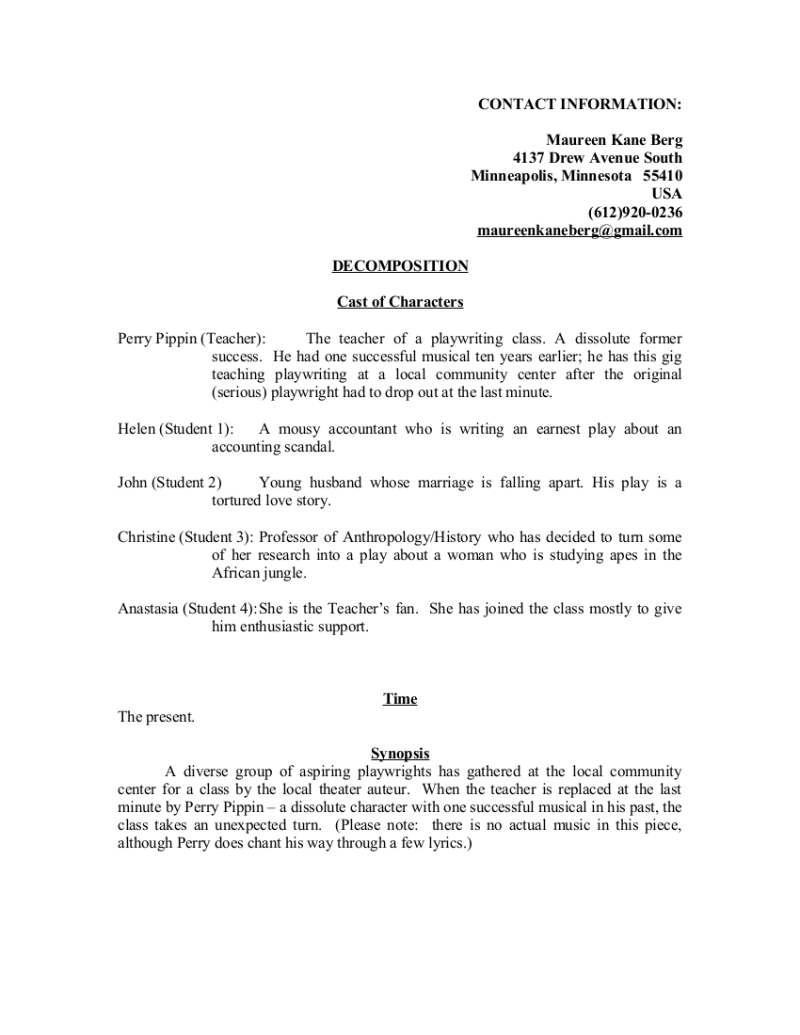
A simple play script example typically includes several key elements that work together to create a cohesive whole. These include:
- Characters: The lifeblood of any drama, characters drive the story forward through their actions, motivations, and relationships.
- Dialogue: The spoken words of characters, dialogue reveals personality, advances the plot, and creates tension or comedy.
- Stage Directions: Instructions embedded within the script that guide actors' movements, blocking, and other production elements.
- Plot: The sequence of events that constitute the story, typically following a three-act structure: setup, confrontation, and resolution.
- Themes: Underlying ideas or messages that resonate throughout the play, inviting audiences to reflect on broader concepts.
These elements are carefully woven together to create a compelling dramatic experience. The challenge for any playwright is to balance these components, ensuring that each element serves the overall story and engages the audience on both an intellectual and emotional level.
Key Benefits and Crucial Impact
Play scriptwriting is more than just a creative outlet; it wields significant cultural and societal influence. By holding a mirror up to humanity, plays can challenge perspectives, spark conversations, and inspire change.
“Theatre is a form of knowledge; it should and can also be a means of transforming society. Theatre can help us build our future, rather than just waiting for it.” — Augusto Boal
Major Advantages
- Storytelling Power: Play scripts allow for nuanced and immersive storytelling, bringing complex characters and themes to life.
- Emotional Impact: Live performance creates a unique emotional connection with audiences, making plays particularly effective at conveying powerful messages.
- Community Building: Theatre brings people together, fostering collaboration and community engagement through shared artistic experiences.
- Cultural Preservation: Plays can preserve and explore cultural heritage, traditions, and histories, ensuring they are not lost to time.
- Personal Growth: Writing and producing plays encourages self-expression, creativity, and the development of valuable skills like communication, problem-solving, and empathy.
Comparative Analysis
| Aspect | Simple Play Script Example | Complex Play Script |
|---|---|---|
| Structure | Clear, straightforward, often adhering to traditional three-act structure. | May experiment with non-linear narratives, multiple storylines, or unconventional structures. |
| Character Depth | Focuses on a smaller cast with more focused character development. | Can include a larger cast with intricate, multi-layered character arcs. |
| Dialogue | Conversational and accessible, aiming for clarity and ease of understanding. | May employ more complex language, dialect, or experimental dialogue styles. |
| Production Requirements | Typically requires minimal set pieces and technical elements, making it easier to stage. | Can demand elaborate sets, costumes, and special effects, increasing production complexity. |
Future Trends and Innovations
As theatre continues to evolve, we can expect play scripts to push boundaries even further. Emerging technologies like virtual reality and artificial intelligence offer exciting possibilities for enhancing live performances. Interactive and immersive theatre experiences are already gaining popularity, blurring the lines between audience and actor.
Additionally, there's a growing emphasis on diversity and inclusion in playwriting. Storytellers from underrepresented backgrounds are bringing fresh perspectives to the stage, enriching the theatrical landscape. This trend is likely to continue, ensuring that theatre remains a vibrant and relevant art form that reflects the world we live in.
Conclusion
A simple play script example serves as a powerful starting point for anyone aspiring to master the art of drama. By understanding the historical context, core mechanisms, and benefits of playwriting, writers can harness the unique potential of this medium to create compelling stories that resonate with audiences.
As theatre continues to evolve, embracing new technologies and diverse voices, the future of play scriptwriting looks bright. Whether you're crafting a traditional drama or experimenting with cutting-edge techniques, the stage awaits your story.
Comprehensive FAQs
Q: What makes a play script "simple"?
A: A simple play script typically features a straightforward plot, clear dialogue, and minimal production requirements. It focuses on strong storytelling and character development without relying on complex stage effects or an extensive cast.
Q: How do I format a play script?
A: Standard play script formatting includes margin guidelines, specific font choices, and consistent use of stage directions. Software like Final Draft or manual formatting using a word processor can help achieve professional-looking scripts.
Q: What are some essential elements of a play script?
A: Key elements include characters, dialogue, stage directions, plot, and themes. These components work together to create a compelling dramatic experience, engaging the audience on emotional and intellectual levels.
Q: Can I use a simple play script for educational purposes?
A: Absolutely! Simple play scripts are excellent educational tools. They can help students develop reading comprehension, public speaking skills, and collaborative abilities while fostering an appreciation for literature and drama.
Q: How can I get my play script produced?
A: Securing a production can be challenging but rewarding. Networking with local theatre companies, entering playwriting competitions, or self-producing are all viable paths. Building relationships within the theatre community and honing your craft are essential steps in getting your work onstage.
Leave a Comment
Comments are moderated before appearing. The data you submit is processed according to the Privacy Policy of fidespost.com.