Plug and Play Arcade Games: Reviving Retro Gaming Experiences
In the ever-evolving landscape of video games, a nostalgic trend has emerged, captivating both veteran gamers and a new generation of players: plug and play arcade games. These modern consoles offer an instant gateway to the golden age of arcade gaming, providing an accessible and immersive experience that resonates with players across ages.
The allure of plug and play arcade games lies in their ability to transport gamers to a bygone era, where pixelated graphics, chiptune music, and the thrill of high scores defined the gaming experience. With minimal setup and a vast library of classic titles, these devices have become a favorite among collectors, enthusiasts, and casual gamers alike.
But what exactly are plug and play arcade games, and how do they differ from traditional gaming consoles? This article delves into the complete overview of this gaming phenomenon, exploring its historical background, core mechanisms, key benefits, and future trends.
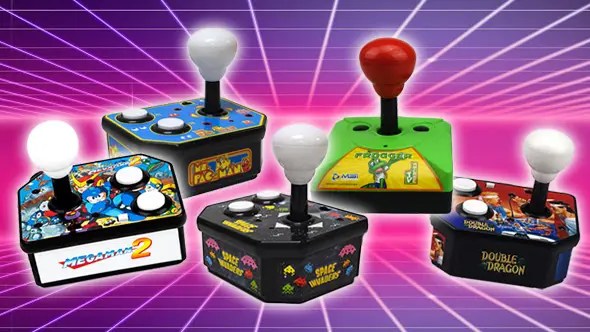
The Complete Overview of Plug and Play Arcade Games
Plug and play arcade games represent a unique segment in the video game market, offering a streamlined and nostalgic gaming experience. These self-contained consoles come pre-loaded with a collection of classic arcade games, eliminating the need for separate gaming systems, discs, or digital downloads.
The concept behind plug and play arcade games is straightforward: provide an out-of-the-box gaming solution that captures the essence of retro arcades. Users simply connect the device to a television or monitor, and they are greeted with a library of iconic games ready to play. This simplicity has proven to be a significant draw, appealing to those seeking instant entertainment without the complexities of modern gaming setups.
Historical Background and Evolution
The origins of plug and play arcade games can be traced back to the late 1990s and early 2000s, when companies like Atari and Sega released retro gaming consoles with built-in classic titles. These early attempts laid the foundation for the modern plug and play movement, sparking interest in revisiting beloved games from decades past.
Table of Contents
- The Complete Overview of Plug and Play Arcade Games
- Historical Background and Evolution
- Core Mechanisms: How It Works
- Key Benefits and Crucial Impact
- Major Advantages
- Comparative Analysis
- Future Trends and Innovations
- Conclusion
- Comprehensive FAQs
- Q: What are the system requirements for plug and play arcade games?
- Q: Can I expand the game library on my plug and play arcade console?
- Q: Are plug and play arcade games suitable for competitive gaming?
- Q: How do I maintain and care for my plug and play arcade console?
- Q: What are some popular plug and play arcade game consoles available in the market?
Over time, the technology improved, allowing for more advanced emulation and a broader range of games. The introduction of mini consoles, such as the Nintendo Entertainment System (NES) Classic Edition and the Sega Genesis Mini, further popularized the concept, demonstrating a strong demand for compact, retro gaming solutions. Today, plug and play arcade games encompass a diverse array of devices, from dedicated consoles to versatile handhelds, catering to a wide spectrum of gaming preferences.
Core Mechanisms: How It Works
At the heart of plug and play arcade games lies emulation technology. Emulators are software programs that replicate the hardware and software of older gaming systems, allowing modern devices to run classic games. These emulators are designed to accurately reproduce the behavior of original arcade boards, ensuring that the games appear and play as they did in their prime.
Most plug and play arcade games utilize microcontrollers and embedded systems to execute the emulation process. These components work in tandem with custom software, which includes the game ROMs (Read-Only Memory) and the user interface. When a user selects a game, the console loads the corresponding ROM into memory, initiating the emulation process and displaying the game on the connected display.
Key Benefits and Crucial Impact
Plug and play arcade games have had a significant impact on the gaming industry and culture, offering a range of benefits that resonate with players and collectors alike.
"Plug and play arcade games have democratized access to retro gaming, allowing anyone to experience the magic of classic arcades without the need for extensive knowledge or specialized equipment."
Major Advantages
- Convenience and Accessibility: The primary advantage of plug and play arcade games is their convenience. Users can enjoy a vast library of classic games without the hassle of acquiring original hardware, which can be expensive and difficult to maintain.
- Preservation of Gaming History: These consoles play a crucial role in preserving gaming history by making classic titles readily available to new generations of players. They ensure that iconic games from the past remain accessible and relevant.
- Nostalgia and Sentimental Value: For veteran gamers, plug and play arcade games offer a trip down memory lane. The ability to revisit beloved games from their youth evokes a sense of nostalgia, providing an emotional connection to the past.
- Educational and Cultural Significance: Plug and play arcade games serve as educational tools, allowing players to explore the evolution of video games and appreciate the artistic and cultural significance of classic titles.
- Collectibility and Customization: The market for plug and play arcade games has fostered a thriving community of collectors and enthusiasts. These devices often feature unique designs, limited-edition releases, and customization options, adding to their appeal as collectible items.

Comparative Analysis
| Factor | Plug and Play Arcade Games | Traditional Gaming Consoles |
|---|---|---|
| Setup Complexity | Minimal (Plug and Play) | Moderate to High |
| Game Library | Pre-loaded Classic Titles | Varies (Discs, Digital Downloads) |
| Cost | Affordable to Moderate | Moderate to High |
| Nostalgia Factor | High (Retro Focus) | Varies (Not a Primary Focus) |
Future Trends and Innovations
As plug and play arcade games continue to gain popularity, several trends and innovations are shaping the future of this gaming segment. One notable development is the integration of online multiplayer capabilities, enabling players to compete or collaborate with friends and strangers alike, adding a social dimension to retro gaming.
Additionally, advancements in emulation technology will likely result in even more accurate and visually faithful reproductions of classic games. This includes support for higher resolutions, improved sound quality, and the potential for enhanced graphics, making retro games more appealing to modern audiences.
The rise of subscription-based services for plug and play arcade games is another emerging trend. These services offer access to an ever-expanding library of classic titles for a monthly fee, providing gamers with a cost-effective way to experience a wide range of retro games.

Conclusion
Plug and play arcade games have emerged as a powerful force in the gaming industry, bridging the gap between the past and present. Their ability to deliver an authentic retro gaming experience with modern convenience has captivated gamers of all ages. As technology advances and new innovations emerge, these consoles will continue to evolve, ensuring that the legacy of arcade gaming remains vibrant and accessible for generations to come.
Whether for nostalgic value, educational purposes, or simply the joy of playing classic games, plug and play arcade games offer an unparalleled experience. They serve as a testament to the enduring appeal of retro gaming and the industry's commitment to preserving its rich history.
Comprehensive FAQs
Q: What are the system requirements for plug and play arcade games?
A: Plug and play arcade games are designed to be self-contained, requiring only a television or monitor with an HDMI or AV input. No additional hardware or software installations are necessary, making them highly accessible.
Q: Can I expand the game library on my plug and play arcade console?
A: The game library on plug and play arcade games is typically fixed, as the titles are pre-loaded onto the device. However, some models may support additional game packs or updates, allowing for limited expansion.
Q: Are plug and play arcade games suitable for competitive gaming?
A: While plug and play arcade games offer a great experience for casual and nostalgic gaming, they may not be ideal for competitive play. The input lag and emulation accuracy can vary, which is crucial for high-level competitive gaming.
Q: How do I maintain and care for my plug and play arcade console?
A: Maintenance is relatively simple. Keep the device clean, avoid extreme temperatures, and ensure proper ventilation. For handheld devices, protect the screen and avoid excessive force on the controls. Regularly updating the firmware can also improve performance and stability.
Q: What are some popular plug and play arcade game consoles available in the market?
A: The market offers a wide range of options, including the Atari Flashback series, Sega Genesis Mini, Nintendo Switch Online (with retro games), and the Retro-Bit Generations. Each console features unique game libraries and designs, catering to different preferences and nostalgia trips.
Leave a Comment
Comments are moderated before appearing. The data you submit is processed according to the Privacy Policy of fidespost.com.